
VAL111 · Platuzumab
Novel immune checkpoint inhibitor targeting platelet-derived immunosuppressive signals to restore anti-tumor immunity and overcome platelet-mediated immune evasion.

Modality: Monoclonal antibody
Disease biology: Blocking of TLT-1, an immunosuppressive factor released by activated platelets. TLT-1 inhibits cytotoxic immune-cell function and creates a protective tumor microenvironment that enables tumor immune evasion.
Therapeutic area: Solid tumor, metastasizing solid tumor
Development status: Preclinical
VAL211 · Velistamab
Dual-targeting bispecific antibody designed to simultaneously block platelet-derived immune suppression and RANKL signaling to enhance anti-tumor immunity and promote metastatic interception.

Modality: Monovalent antibody derivate developed using our proprietary HERAKL1S engineered antibody platform
Disease biology: Platelet-driven immune suppression and dysregulated RANKL signaling contribute to immune evasion, impaired anti-tumor immunity, and a tumor microenvironment that supports tumor progression and metastasis.
Therapeutic area: Solid tumor, metastasizing solid tumor
Development status: Preclinical
Immune Evasion Drives Tumor Progression and Metastasis
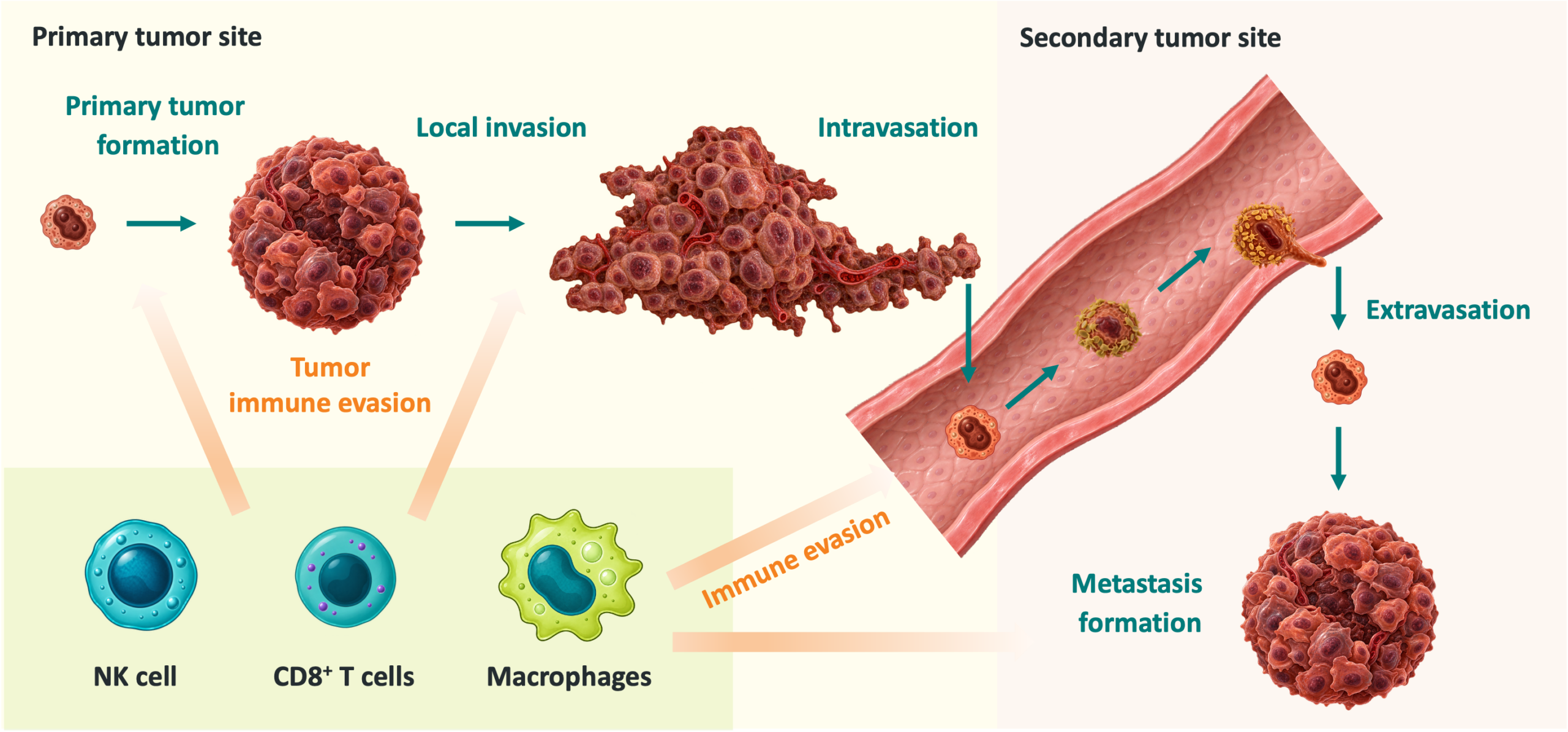
Tumor progression involves a multistep cascade in which cancer cells progressively acquire the ability to evade immune surveillance and disseminate from the primary tumor. Local invasion enables tumor cells to breach surrounding tissues, followed by intravasation into the bloodstream, where circulating tumor cells (CTCs) encounter a distinct and highly hostile immune environment.
Once in the circulation, CTCs must evade immune recognition and destruction to survive and disseminate. Interactions with platelets and other blood-borne cells can provide an additional layer of protection, shielding tumor cells from immune attack and supporting their survival and metastatic competence. Surviving CTCs subsequently undergo extravasation into distant tissues, where they establish metastatic lesions.
Metastatic disease is responsible for the majority of cancer-associated deaths, with metastases estimated to account for more than 70% of cancer mortality.
Platelets Shield Circulating Tumor Cells and Suppress Anti-Tumor Immunity
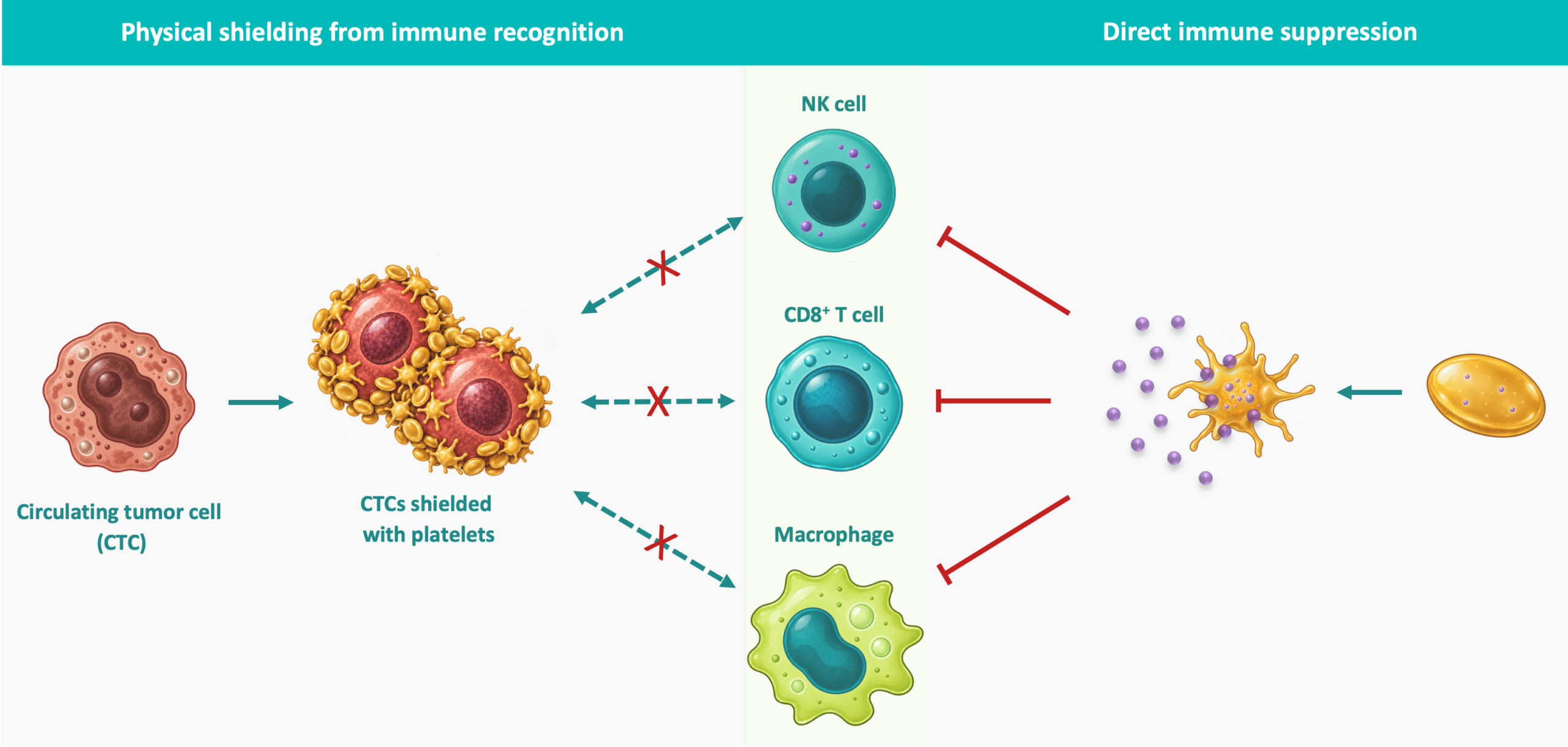
When tumor cells enter the bloodstream, platelets rapidly coat these circulating tumor cells (CTCs) and form a physical shield that can protect tumor cells from immune recognition and cytotoxic attack.
Beyond this physical protection, platelets actively modulate the immune responses through immune-regulatory receptors expressed on their surface and through the soluble immunomodulatory factors released upon activation. These signals contribute to suppression of cytotoxic T cells, NK cell activity, and macrophage responses, and promote an anti-inflammatory, immune-tolerant environment around CTCs.
Through this combination of physical shielding and active immune modulation, platelets support CTCs with a highly effective survival niche in the bloodstream, facilitating immune evasion, vascular interactions, and ultimately metastatic dissemination.
Targeting Complementary Mechanisms of Tumor Immune Evasion
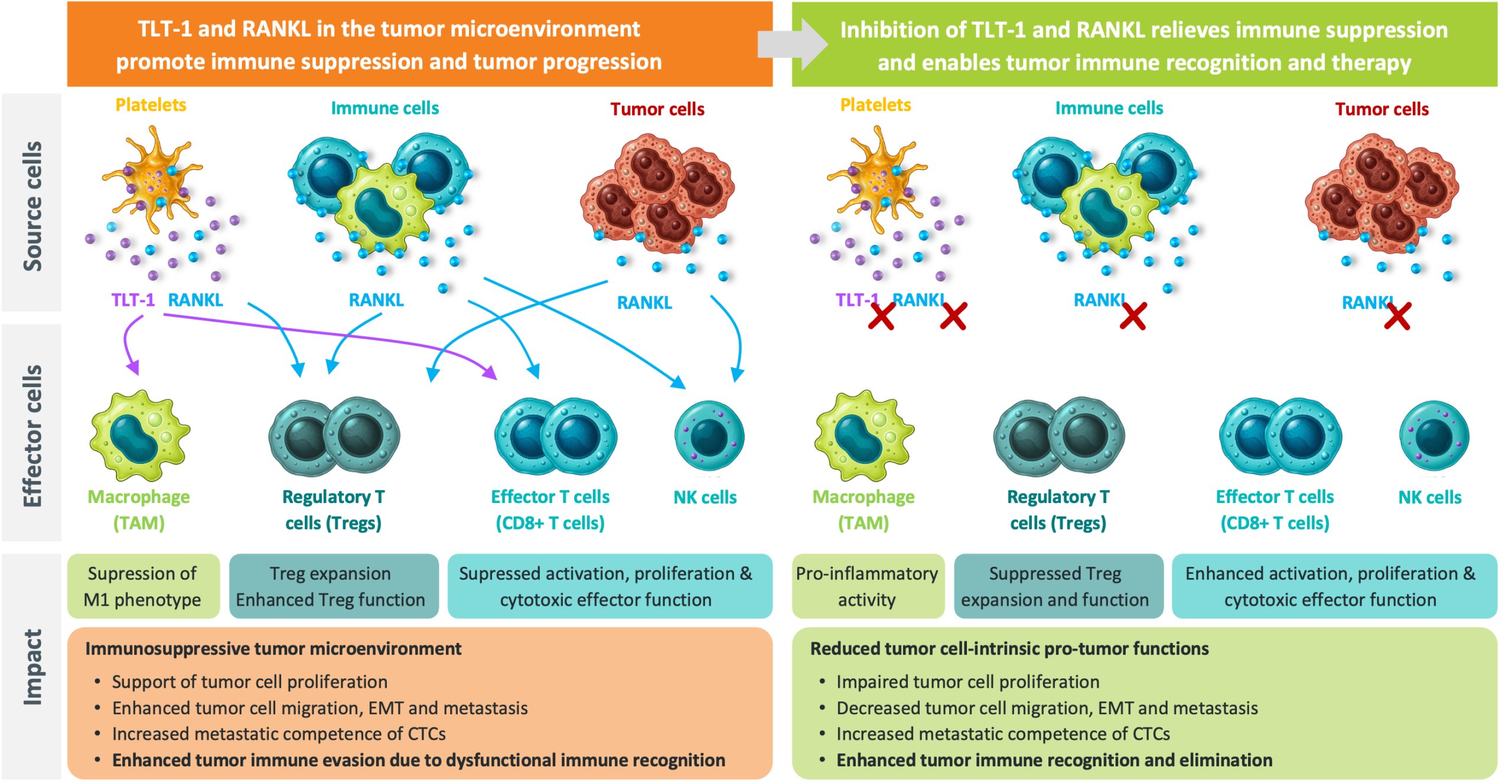
TLT-1 released by activated platelets contributes to tumor immune evasion by suppressing cytotoxic T-cell responses and innate immune activity. Blocking TLT-1 may therefore restore pro-inflammatory immune activity and enhance anti-tumor immune responses by T cells.
RANKL, produced by platelets, immune cells, and tumor cells, contributes to an immunosuppressive tumor microenvironment by modulating T-cell and Treg activity and impairing NK-cell surveillance and cytotoxic function. Inhibiting RANKL may therefore simultaneously relieve immune suppression and limit tumor-intrinsic mechanisms that support metastatic progression.
Combined TLT-1 and RANKL inhibition targets complementary mechanisms of tumor immune evasion, with the potential to restore immune recognition and cytotoxicity while reducing pro-tumor signaling.

Therapeutic potential to re-engaging anti-tumor immunity via a complementary strategy
Targeting TLT-1 and RANKL combines non-overlapping unique mechanisms to shift the tumor microenvironment from immune suppression toward effective anti-tumor immunity with the potential to limit tumor progression and metastatic spread.